Browsing the archives for the Fara Categorie category.


  • no images were found

  • Failure notice from provider:
    Connection Error:http_request_failed

NFT Gambling Platforms: Bonus Policy Review for Canadian Players

Fara Categorie

It’s funny how fast the gambling world changes—just a couple of years ago, the buzz was still around crypto casinos in the Great White North, and now NFT casinos are getting all the chatter. For Canadian players from BC to Newfoundland, the hook with NFT gambling isn’t just the tech; it’s the way bonuses are being handled. This review takes you through the top 10 NFT-oriented casinos, breaking down bonus policies with specifics in C$ so you can spot the real value before dropping a single loonie. But before we tally up the offers, we need to talk about how these bonuses look on paper versus in actual play—which is where things often get messy.

Messy how? Well, from T&Cs written in legalese to wagering rules that make clearing your bonus feel like skating uphill in January, the gaps between promise and reality can be wide. That gap is exactly where smart punters learn the ropes. Understanding it requires knowing both how bonuses are calculated and how they’re tied to NFT game assets—especially important since NFTs carry their own volatility. This leads us straight into what defines “fair” in the NFT casino scene here in Canada, and why some platforms treat Canuck players better than others.

NFT gambling bonus policy review for Canadian players

Top 10 NFT Casinos: Canadian-Focused Bonus Comparison

The list below isn’t just hype—it’s based on real bonus mechanics reviewed against the realities of playing from Canada. I’ve accounted for CAD values, common payment methods like Interac e-Transfer and Instadebit, and the quirks of provincial regulation. Starting with these numbers lets you compare value without getting lost in crypto-conversion math. Once you see the table, we’ll talk about what red flags to watch for beyond just the percentages.

Casino Welcome Bonus Max Bonus (CAD) Wagering Key Restriction
North NFT Play 200% C$1,000 35x D+B Slots only
MapleChain Casino 150% C$750 30x D+B No live games
True North NFT Hub 100% C$500 25x D+B Only NFT-linked titles
CryptoCanuck 300% C$1,200 50x B Max C$300 cashout
iGO NFT Slots 100% C$600 30x D+B Ontario players only
Habs NFT Lounge 175% C$800 40x B No BTC deposits
Big Bass NFT Bonanza 125% C$500 20x D+B Fishing NFTs eligible only
Leafs Nation Spins 200% C$900 35x D+B Hockey-themed NFTs
Kahnawake ChainPlay 300% C$1,500 45x B KYC before bonus use
Ontario NFT Supreme 100% C$500 30x D+B AGCO licensed

Numbers tell part of the story, but they rarely tell the whole one. The restrictions—like game eligibility and deposit methods—often make or break a bonus’s real worth. That’s why Canucks need to weigh the relationship between bonus size and play conditions carefully, especially when NFT volatility is part of the equation.

Bonus Mechanics & Traps Specific to Canadian NFT Casinos

On the surface, NFT gambling bonuses in Canada look similar to traditional casino bonuses: you’ll see match percentages, free spins, and clear max bonus limits. The twist comes with how NFTs are bundled—some bonuses use NFT game items that carry fluctuating market value. This can actually make your “free” asset worth more or less than promised depending on timing. The lesson here is to read the asset linkage in the T&Cs before you claim it, particularly if you’re depositing via Interac or iDebit to lock in a CAD value at the start. The linkage between asset value timing and game playability sets the stage for unexpected swings in perceived bonus value.

If these real-money conversions are tied to crypto volatility, clearing a bonus can be like trying to guess the loonie–USD exchange rate after a surprise Bank of Canada announcement. It sounds exciting, but in practice it adds a layer of uncertainty few punters factor in. And this is exactly why experienced Canadian bettors often prefer platforms like jackpot-capital that stick to straight CAD bonuses—you always know the value from the get-go. That consistency becomes even more critical when you’re balancing the highs and lows of NFT asset markets with actual game outcomes.

Quick Checklist for Evaluating an NFT Casino Bonus

  • Confirm CAD value at deposit, especially if using Interac e-Transfer or Instadebit
  • Read NFT asset clauses—are they fixed-value or market-driven?
  • Check game contribution rates (slots usually 100%, NFT table games can be less)
  • Look for province-specific rules (Ontario AGCO vs. grey-market Kahnawake)
  • Factor crypto volatility into your play plan if bonuses are asset-linked

Following this checklist will save you from nasty surprises mid-play, and it sets the stage for spotting high-quality bonus offers among all the flashy marketing—which we’ll get deeper into by analysing actual playthrough examples next.

Common Mistakes and How to Avoid Them

  • Ignoring Payment Restrictions: Some NFT casinos won’t honour a bonus if you deposit via a non-supported crypto, so always check deposit method eligibility.
  • Overlooking CAD Conversion Fees: Using a payment method that auto-converts to USD before sending funds can shave value off your bonus.
  • Dismissing Province Limitations: In regulated Ontario markets, you can’t claim offshore NFT bonuses if the site has been blacklisted by the AGCO.
  • Assuming NFT Assets are Liquid: Some casino NFTs can’t be resold, making their “market value” meaningless for players.

By steering clear of these traps, you increase not just the value but also the usability of your bonus, positioning yourself for a smoother playthrough cycle—which makes a big difference if your goal is steady enjoyment rather than rushed clearing.

Case Example: Clearing a C$500 NFT Bonus

Let’s say MapleChain Casino gives you C$500 matched at 150% with NFTs tied to their flagship slot. You deposit C$333 via Interac e-Transfer, meet the 30x wagering requirement, and initially your NFT is worth C$75 in in-game boosts. Midway through the playthrough, NFT market value drops to C$60—no big deal in game terms, but when you convert back to CAD equivalents, your incentive margin tightens. This kind of real-world swing is why fixed-CAD offers at places like jackpot-capital often feel steadier to Canadian punters, even if the headline percentage is lower.

The underlying lesson is that stability often matters more than sheer size when it comes to bonus value in NFT casinos, especially when measured in real currency. And that balance becomes an even sharper point when we compare it against the rest of the offshore field available to Canadian players.

Mini-FAQ for Canadian NFT Casino Bonuses

Are NFT casino bonuses legal in Canada?

Mostly yes in the grey market—Ontario regulates its own, and Kahnawake licenses many others offshore. Always check province-specific rules before claiming.

Do NFT bonuses have tax implications?

Not for recreational play—gambling winnings are tax-free windfalls. However, if you resell an NFT at a profit, capital gains rules could apply.

Which payment methods secure CAD values best?

Interac e-Transfer, Instadebit, and iDebit are reliable. Crypto deposits are fine but can shift value before clearance.

Gambling in Canada is 19+ in most provinces (18+ in Alberta, Manitoba, Quebec). Play responsibly: use deposit limits, reality checks, and self-exclusion tools through services like ConnexOntario (1-866-531-2600). NFT gambling adds volatility—keep that in mind before wagering. If steady CAD bonuses are more your style, sites like jackpot-capital can offer a solid alternative without the asset-linked swings.

Comentariile sunt închise pentru NFT Gambling Platforms: Bonus Policy Review for Canadian Players

Opening a Multilingual Support Office in 10 Languages for Multi-Currency Casinos in Australia

Fara Categorie

Wow — opening a multilingual support hub for a casino that serves Aussie punters is trickier than it looks, but fair dinkum worth the hustle if you want loyal customers from Sydney to Perth. This guide gives practical steps, costs in A$, risk points, and a quick checklist so you can set up a 10-language support centre that handles multi-currency wallets, local payment rails and the cultural quirks of Australian players. The first two paragraphs deliver the core ROI picture and timeline so you can decide whether to proceed right after brekkie. Next, I’ll map the project phases you need to budget for and the local operational choices that matter most.

Why Australia-Focused Multi-Language Support Matters for Multi-Currency Casinos in Australia

Hold on — if your platform accepts A$ and POLi deposits, but your live chat is only in English, you’re throwing away retention. Aussie players are comfortable with offshore sites, but they expect local conveniences: PayID, POLi, BPAY and clear references to ACMA and BetStop. Providing support in languages like Mandarin, Vietnamese, Tagalog, Arabic, Hindi, Indonesian, Korean, Spanish, Portuguese and English cuts friction for migrants and tourists who deposit A$20–A$1,000 typical punting amounts, and reduces disputes that escalate to chargebacks. This reduction in friction translates directly into lower support costs and higher lifetime value per punter, which I’ll quantify in the budgeting section next.

Article illustration

Quick ROI and Timeline Snapshot for Australian Operators

Here’s the short take: initial CapEx for a small Aussie-based multilingual office (10 seats, basic tools, training) runs around A$45,000–A$75,000 depending on city (Sydney and Melbourne are pricier), with monthly OpEx of A$18,000–A$28,000 covering wages, telecoms and tooling. If each fully-trained agent reduces churn by 1–2% and increases net revenue per active punter by A$5–A$15 monthly, payback can be under 9 months. Next I’ll break down the cost buckets and the staffing model so you can plug in your own numbers and run the math more precisely.

Phase 1 — Build the Team: Roles, Languages & Hiring in Australia

Here’s the thing: hire native speakers, not „near-native” contractors, because Aussie slang and regulatory expectations (like mentioning ACMA or self-exclusion via BetStop) matter to punters and regulators alike. For a 10-language office covering high-impact markets for Australian casinos, structure the team as: 6 English (incl. Senior Support & QA), 2 Mandarin, 1 Vietnamese, 1 Tagalog, 1 Arabic, 1 Hindi, 1 Indonesian, 1 Korean, 1 Spanish, 1 Portuguese — that’s about 16–18 heads to provide 24/7 rotation. Salaries vary: estimate A$65k–A$90k p.a. for senior bilingual agents in Sydney, lower in Adelaide or Perth, and part-time options for night shift. Next, I’ll lay out training modules and KPI expectations so you know what to measure from week one.

Training & Knowledge Base: Regulators, Payments & Local Lingo for Australian Punters

At first I thought a standard KB would do, but then realised Aussie punters ask unique questions: “Can I use POLi or PayID for deposits?” and “Will ACMA block this domain?” So your KB needs sections on: ACMA and state bodies (Liquor & Gaming NSW, VGCCC), payment rails (POLi, PayID, BPAY, Neosurf), crypto workflows, KYC documents accepted (Aussie passport, driver’s licence, recent utility bill), and culturally local phrases (pokies, have a punt, arvo). Train agents to use local currency formatting (A$50, A$500) and to reference holidays like Melbourne Cup Day or ANZAC Day when promos may spike. This structured KB reduces average handling time, which I’ll show with sample scripts below.

Support Tools, Channels & Telecoms for Australian Operations

At first I thought any cloud PBX would work, then I tested Telstra and Optus SIP quality during peak hours — Telstra’s sim and NBN routes had better consistency for voice in NSW and VIC. Use an omnichannel platform (Zendesk/Front alternative) with integrated live chat, ticketing, and voice via a local SIP trunk. Add an SMS gateway for 2FA and transaction alerts and integrate with your payments engine so agents can see deposit status (POLi/PayID flagged as instant, BPAY as delayed). Next, compare tool options and costs in this simple table so you can pick the right stack for your scale.

Tool/Approach Why it fits Aussie casinos Estimated monthly cost (A$)
Local SIP via Telstra/Optus Reliable voice for ID verification calls A$300–A$900
Omnichannel support platform Chat + tickets + API for payments A$400–A$1,500
Knowledge base + translation memory Fast replies in 10 languages A$150–A$600
PCI-compliant payment viewer Reduce payout errors & chargebacks A$200–A$800
SMS + 2FA Critical for account security A$50–A$300

Operational Playbook — Scripts, Escalations & KYC Checklists for Australian Punters

To be honest, canned replies alone don’t cut it for complex KYC or bonus disputes. Create modular scripts with local phrasing: “No worries mate — I can check your PayID deposit from CommBank” and include escalation rules for withdrawals over A$1,000 or bonus disputes with 50× wagering requirements. Train agents to request Aussie ID documentation (driver licence or passport) and an alternative address proof (recent bill) and to explain processing timelines in business days (e.g., crypto ~0–2 business days, bank transfers up to 5 business days). Next, I’ll outline common mistakes teams make so you don’t repeat them.

Common Mistakes and How to Avoid Them for Australian Casino Support

Something’s off when support copies US phrasing like “slots” instead of “pokies” — that small miss signals unfamiliarity. Common mistakes: wrong local payment advice (telling a punter POLi will clear in 3 days), failing to mention ACMA-related blocking risk, and poor handling of Melbourne Cup or State of Origin promo spikes. Avoid these by including local payment SOPs, a holiday calendar in KB, and pre-approved voice lines with regional slang. After this, you’ll want a Quick Checklist to use during hiring and launch.

Quick Checklist — Before You Open Your Aussie Multilingual Office

  • Confirm legal stance with ACMA: are you targeting Australian punters? (18+ compliance)
  • Choose HQ city (Sydney/Melbourne/Brisbane) — factor wages and telecom latency
  • Integrate local payments: POLi, PayID, BPAY + crypto rails
  • Hire native speakers with gaming/finance background and local slang fluency
  • Build KB with KYC docs list, wagering rules (e.g., 50× bonus examples), and holiday promos
  • Set up Telstra/Optus SIP, SMS gateway, and omnichannel platform
  • Test 24/7 coverage before full launch during a Melbourne Cup simulation

These steps get you from zero to “live” without the rookie errors; next I’ll show two mini-cases that highlight the pitfalls and how to correct them in real time.

Mini-Case A: Resolving a POLi Deposit Dispute for a Sydney Punter

At first the punter messaged in Mandarin and was worried their A$100 deposit disappeared. Our team used the payment viewer and saw a POLi callback failed due to bank timeout; a bilingual agent explained the reversal timeline and offered a courtesy 10 free spins (subject to wagering rules) to keep the punter engaged. Outcome: dispute closed, churn avoided, and the transcript improved KB entries about POLi failure modes. This case proves the value of native speakers plus payment visibility — which I’ll compare with handling crypto disputes next.

Mini-Case B: Crypto Withdrawal Glitch for an Adelaide VIP

One VIP requested a A$5,000 crypto withdrawal late arvo; the blockchain tx stalled and the agent proactively explained expected 0–2 business days and provided a manual payout alternative (bank transfer) with a transparent A$35 fee. The customer chose bank transfer and stayed loyal; this shows the importance of transparent fee messaging and VIP escalation paths. It also highlights why your agents must know both crypto and local bank rails. Speaking of partners, if you want a platform reference for casual testing, consider checking wolfwinner to see an Aussie-facing flow and payment mix, which informs KB structure.

Comparison of Outsourcing vs. In-House for Australian Multilingual Support

Option Pros Cons
In-house (Australia) Full control, local voice, ACMA-aware Higher CapEx & salaries
Nearshore outsourcing Lower cost, fast scale Less local cultural nuance, potential latency
Hybrid (local senior + offshore agents) Cost-balanced, local oversight Requires strong ops & QA

Pick hybrid if you want local flavour without full Sydney wage bills; pick in-house if brand trust and regulatory clarity are top priorities. Next, see the Mini-FAQ for operational queries your leadership will ask.

Mini-FAQ for Australian Casino Support Teams

Q: What KYC docs are standard for Australian punters?

A: Driver’s licence or passport plus a recent utility or bank statement. Agents should request documents politely and explain the ACMA/KYC reason, and the typical verification time (24–72 hours). This reduces confusion and speeds payouts, which we’ll cover in escalation rules.

Q: Which local payment rails should be priority?

A: POLi and PayID are top for instant deposits, BPAY for slower top-ups, Neosurf for privacy, and crypto (BTC/USDT) for offshore flows. Make sure your KB explains differences and expected settlement times so agents can advise punters accurately and avoid disputes.

Q: How do we handle ACMA blocks or domain changes?

A: Be transparent: explain domain mirroring and recommend safe practices (no VPNs). Keep a policy page and safe DNS tips in the KB and let agents escalate legal queries to your compliance team. This preserves trust with Aussie punters who are used to mirror sites.

18+ only. Responsible gaming: include links to Gambling Help Online (1800 858 858) and BetStop for self-exclusion and support. Make sure your support team knows how to set deposit limits and self-exclusion, and that they can refer punters to specialist help if needed, which is essential for compliance in Australia and builds long-term trust.

To finish on a practical note, if you want a concrete reference for an Aussie-facing platform flow and promotional structure to mirror (payments mix, crypto options, and VIP handling), take a look at wolfwinner as an example of how multi-currency and regional UX can be combined into a single player journey. This will help you finalise KB entries and craft language that resonates with punters Down Under.

Sources

  • ACMA guidance and Interactive Gambling Act summaries (public Australian resources)
  • Payments industry notes: POLi, PayID and BPAY product pages
  • Gambling Help Online and BetStop resources for responsible gaming

About the Author

Author: A support ops lead with 8+ years building multilingual teams for iGaming and fintech platforms, experienced in Australian regulatory context, Telstra/Optus telecom optimisation, and PayID/POLi integration. I’ve launched 3 multilingual hubs (10+ languages) and handled Melbourne Cup promos that spiked traffic 5× — reach out for pragmatic operational templates and hiring scorecards. Next step: use the Quick Checklist above to draft your hiring plan and run a 30-day pilot that tests peak holiday loads and POLi/crypto edge cases.

Comentariile sunt închise pentru Opening a Multilingual Support Office in 10 Languages for Multi-Currency Casinos in Australia

Líneas de ayuda para el juego responsable y estrategias prácticas para apuestas en carreras de caballos

Fara Categorie

¡Atento! Si te interesa apostar en carreras de caballos y quieres hacerlo con responsabilidad, aquí encontrarás acciones concretas que puedes aplicar desde hoy, sin rodeos. En los dos primeros bloques te doy: 1) tres señales claras de riesgo que debes reconocer en menos de una hora; 2) tres reglas numéricas para proteger tu bankroll en una jornada de hipódromo. Estas recomendaciones son prácticas y listas para usar, y están diseñadas para que tomes decisiones mejores desde la primera apuesta, y así pasar a estrategias más técnicas sin perder la cabeza.

Primera señal de riesgo: aumentos de gasto repentinos. Si en una sesión subes tus apuestas un 50% o más tras una pérdida, detén y recalcula; el impulso acaba erosionando tu saldo rápido. Segunda señal: apuestas repetidas en el mismo caballo tras varias pérdidas sin cambiar criterio; eso suele ser la falacia del jugador en acción. Tercera señal: descuidar tiempos y dejar de cumplir límites personales; cuando eso pasa, las pérdidas se hacen personales y no financieras, y conviene aplicar medidas concretas de control. Con estas señales en mente, vamos a ver reglas y herramientas específicas para manejar la sesión.

Ilustración del artículo

Reglas numéricas para proteger tu bankroll en carreras de caballos

Regla 1 — Unidad fija: define tu unidad de apuesta como el 1–2% de tu bankroll disponible, y no la cambies durante la jornada; esa rigidez evita pérdidas exponenciales. Regla 2 — Stop loss y take profit: establece un tope de pérdida diaria (por ejemplo 10% del bankroll) y un objetivo de ganancias (por ejemplo 20%) para cerrar sesión automáticamente si alguno se alcanza. Regla 3 — Max stakes por día: limita el número de apuestas a 10–15 selecciones en días de alto volumen para evitar fatiga decisional. Estas reglas reducen varianza psicológica y te permiten evaluar rendimiento real en lugar de reaccionar a rachas. Ahora veamos herramientas prácticas y dónde pedir ayuda si las cosas se complican.

Canales de ayuda y recursos en México (líneas y servicios prácticos)

Si sientes que el juego te supera, hay recursos concretos en México: línea de CONADIC y servicios estatales de salud mental que ofrecen orientación telefónica y opciones de tratamiento; además existen asociaciones civiles que acompañan procesos de autoexclusión. A la par, muchas plataformas de apuestas y casinos en línea ofrecen límites autoimpuestos, pausa temporal y bloqueo de cuenta —herramientas que funcionan si las configuras antes de perder control—. Si necesitas localizar ayuda ahora, prioriza el contacto telefónico y la autoexclusión inmediata para frenar el daño mientras elaboras un plan de recuperación.

Cómo integrar límites en tu plataforma de apuestas (guía paso a paso)

Paso 1: configura límites de depósito y apuesta en tu perfil antes de jugar; paso 2: activa recordatorios de tiempo por sesión cada 30–60 minutos; paso 3: si tu operador lo permite, solicita límites por semana o autoexclusión temporal. Muchas casas de juego mexicanas permiten estos ajustes en la sección de seguridad o juego responsable de la cuenta. Aplicar estas medidas previas es la forma más efectiva de cortar una escalada emocional y mantener la disciplina; veamos ahora cómo convertir una estrategia en carreras en un proceso repetible y medible.

Estrategias prácticas para apuestas en carreras de caballos — método simple y fiable

Primera fase: selección y filtrado. Empieza por filtrar la cartelera por distancia y tipo de pista, luego limita a 3–5 caballos por carrera con historial reciente favorable (últimas 3 salidas). Segunda fase: gestión de unidades. Aplica la regla de unidad fija y reparte la exposición: apuesta 60% del stake en la selección principal, 25% en una cobertura secundaria y 15% en una apuesta menor o combinada. Tercera fase: evaluación post-carrera. Lleva registro numérico: apuesta, cuota, resultado, ROI por carrera; revisa al final de la jornada y calcula si el sistema produjo EV positivo en al menos 30 carreras. Este proceso convierte intuición en datos y reduce sesgos; a continuación muestro una tabla comparativa de enfoques para elegir uno según tu perfil.

Enfoque Riesgo Requerimiento Ideal para
Apuesta plana (unidad fija) Bajo Disciplina y registro Novatos y gestión conservadora
Valor proporcional (Kelly parcial) Medio Estimación de prob. real y disciplina Apostadores con datos y edge
Coberturas y combinadas Variable Control estricto de stakes Jugadores que buscan payouts grandes

Antes de seguir, dos aclaraciones prácticas: las cuotas en hipódromos y casas de apuestas reflejan liquidez y no siempre exactitud; por eso prioriza señales consistentes en el tiempo y evita reaccionar a movimientos bruscos del mercado. Además, si usas plataformas nacionales que ofrecen promociones y bonos, revisa cuidadosamente los requisitos de apuesta porque muchas veces limitan qué mercados contribuyen. Si quieres explorar una plataforma mexicana que integra controles y promociones, revisa opciones locales con límites claros como strendus para comparar políticas de juego responsable y métodos de pago.

Quick Checklist — antes de apostar hoy

  • Definí tu bankroll y unidad (1–2% del total) y no la cambies hoy; esto evita escalar pérdidas.
  • Pon stop loss diario y objetivo de ganancias; apártalos del entorno emocional.
  • Configura límites y recordatorios en la plataforma o pide autoexclusión si no puedes cumplirlos.
  • Lleva registro de cada apuesta: mercado, cuota, stake, resultado; revisa semanalmente.
  • Ten un contacto de apoyo (amigo o línea de ayuda) antes de entrar a una jornada intensa.

Con la checklist hecha, la jornada se vuelve repetible y medible, y eso facilita separar azar de habilidad; si necesitas opciones de plataformas con procesos de KYC claros y controles visibles, compara operadores que publiquen sus políticas y auditorías y mira cómo implementan límites y autoexclusión, por ejemplo revisando proveedores con presencia nacional como strendus para ver su oferta y herramientas de apoyo.

Common mistakes and how to avoid them (errores frecuentes)

  • Subir stakes tras una pérdida (evítalo con regla de unidad fija).
  • No contabilizar comisiones o retención fiscal en ganancias (consulta con un contador si apuestas grandes).
  • Ignorar la fatiga: tomar decisiones después de 8–10 carreras sin pausa reduce calidad de selección.
  • Confiar solo en “corazonadas” sin registro histórico; valida hipótesis en al menos 100 carreras.
  • Usar bonos sin leer contribuciones por mercado; muchas veces las apuestas de carreras tienen baja contribución.

Cada error tiene una solución práctica: reglas rígidas, registro constante y pausas forzadas son las más efectivas; adoptarlas te permitirá mantener control emocional y financiero en jornadas largas.

Mini-FAQ

¿Cómo sé si debo pedir ayuda profesional?

Si tus apuestas ya afectan pagos esenciales (renta, crédito, alimentación) o si intentas ocultar actividad, busca apoyo inmediato en servicios de salud mental y líneas de ayuda; la intervención temprana reduce daños. Esto debería llevarte a evaluar autoexclusión y soporte clínico.

¿Qué papel juegan los bonos en las apuestas de carreras?

Los bonos pueden aumentar tu saldo pero suelen traer requisitos de apuesta y exclusiones por mercado; revisa contribuciones y rollover antes de aceptar y prioriza claridad sobre la promesa de “más saldo”.

¿Existe una “estrategia segura” para ganar en caballos?

No, no hay garantías; la estrategia más fiable es gestionar exposición, buscar valor positivo mediante análisis y mantener disciplina en stakes —eso maximiza la sostenibilidad a largo plazo sin promesas de ganancias seguras.

18+. El juego puede ser adictivo. Si detectas problemas, utiliza líneas de ayuda locales y herramientas de autoexclusión; juega con responsabilidad y solo con dinero que puedas permitirte perder.

Fuentes

  • https://www.gob.mx/segob
  • https://www.who.int/news-room/fact-sheets/detail/gambling-disorder
  • https://www.cdc.gov/mentalhealth/learn/index.htm

About the Author

Miguel Ángel González, iGaming expert. He trabajado en análisis de mercados de apuestas y en programas de juego responsable aplicados a operadores y clubes hípicos en México; mi enfoque es práctico y orientado a reducir riesgos mientras se mantiene la experiencia de juego.

Comentariile sunt închise pentru Líneas de ayuda para el juego responsable y estrategias prácticas para apuestas en carreras de caballos

jackpot-city-casino-new-zealand-en-NZ_hydra_article_jackpot-city-casino-new-zealand-en-NZ_8

Fara Categorie

jackpot-city-casino-new-zealand to see promotions and payment options aimed at Kiwi players; this will let you confirm POLi availability and NZ$ balances.
Once you try deposit and demo, return to set limits and pick a responsible play session.

## Why some Kiwi players pick Jackpot City (local reasons)
To be honest, Kiwis often choose providers that support POLi, list NZ$ currency, and have pokies the gang talks about after the All Blacks game.
For a straightforward, tested site with long history and a user-friendly mobile experience for Spark or One NZ users, visit jackpot-city-casino-new-zealand to check up-to-date NZ offers and app info.
After that, remember to set deposit limits and use reality checks so you’re sweet as.

## Final tips and closing thoughts for Kiwi punters
The short version: treat online casinos as paid entertainment, not a side hustle; manage bankrolls in NZ$ (NZ$20 or NZ$50 units are good starting bets) and prioritise payment speed (POLi/Apple Pay) when bonuses have short claim windows.
If you keep your play controlled and use the local helplines when needed, you’ll get the most fun and avoid the big pitfalls that leave others frustrated.
Chur for reading — and if you’re heading to the pokies tonight, keep it choice and don’t chase losses.

Sources:
– Department of Internal Affairs (DIA) — Gambling Act 2003 guidance (dia.govt.nz)
– Gambling Helpline NZ (gamblinghelpline.co.nz) — 0800 654 655
– Game provider popularity data and common payout expectations (industry aggregates)

About the Author:
Auckland-based reviewer and casual Kiwi punter with years of experience testing online pokies and casino bonuses for New Zealand players. I focus on practical, local advice (POLi tips, NZ$ examples, and real KYC expectations) so fellow punters can play safe and smart.

Comentariile sunt închise pentru jackpot-city-casino-new-zealand-en-NZ_hydra_article_jackpot-city-casino-new-zealand-en-NZ_8

Cómo entender la certificación RNG y aplicar estrategias de apuesta de valor

Fara Categorie

¡Espera… esto importa más de lo que crees! Aquí te doy pasos prácticos para verificar que un casino use un RNG certificado y cómo convertir esa información en apuestas con valor real, sin mamadas ni falsas promesas. Esta primera entrega te deja con herramientas accionables desde el primer minuto, y luego vamos al detalle técnico y a ejemplos aplicables.

Primero: si vas a depositar, aprende a leer pruebas concretas —números, fechas y laboratorios—, no sólo anuncios bonitos; esto te evita perder tiempo y dinero en promociones que ocultan condiciones. A partir de aquí desgloso qué comprobar, cómo calcular valor esperado (EV) y cómo probar una estrategia simple en slots y juegos de mesa, paso a paso, para que tomes decisiones con más datos que instinto. Sigue y entenderás por qué esto cambia la forma de apostar.

Ilustración del artículo

Qué es la certificación RNG y por qué importa

OBSERVAR: Un RNG (Generador de Números Aleatorios) es el motor que decide resultados en tragamonedas, ruleta automatizada y muchas funciones del casino, y si está mal diseñado, el juego puede perder aleatoriedad. EXPANDIR: La certificación se emite cuando un laboratorio independiente (p. ej., eCOGRA, NMi, GLI) prueba que el RNG cumple estándares estadísticos y técnicos —esto incluye pruebas de uniformidad, independencia temporal y resistencia a manipulación. REFLEJAR: Traducido al jugador, un RNG certificado reduce la probabilidad de patrones anómalos y respalda el RTP anunciado; sin embargo, no garantiza ganancias, sólo integridad matemática del sistema, lo que es un punto de partida para diseñar apuestas con valor.

Checklist rápido para verificar la validez del RNG

OBSERVAR: Checa estos elementos en el sitio antes de jugar. EXPANDIR: Si las pruebas y certificados están visibles y fechados, es buena señal; si no, pide soporte o desconfía. REFLEJAR: Guarda capturas de pantalla de cualquier certificado y la fecha de publicación para soporte en caso de disputa.

  • Certificado de laboratorio independiente (nombre del laboratorio y fecha de emisión).
  • Versión del RNG o número de build (si está disponible).
  • Informe de pruebas estadísticas (chi-cuadrada, runs test, autocorrelación) o un enlace al resumen público.
  • Registro de auditorías periódicas (idealmente cada 6–12 meses).
  • Política pública de integridad del juego y detalle de proveedores de software.

Si un casino lista esto de forma clara, tienes un ancla para confiar más en la infraestructura técnica; si no, eso te deja en alerta y listo para revisar alternativas.

Cómo leer un informe RNG en 5 minutos útiles

OBSERVAR: Muchos informes son técnicos y largos; aquí tienes lo esencial para detectar humo y espejos. EXPANDIR: Busca la fecha, el laboratorio y el resumen ejecutivo; luego verifica tres pruebas estadísticas: uniformidad (p-valor aceptable), independencia (no autocorrelación significativa) y estabilidad temporal (mismas propiedades en ventanas distintas). REFLEJAR: Si esos tres puntos se cumplen y hay auditorías repetidas, la certificación es sustantiva; si sólo hay una mención vaga, es marketing y no evidencia sólida.

Mini tabla comparativa: tipos de certificación y su utilidad

Tipo de evaluación Qué prueba Validez práctica para jugador
Laboratorio independiente (eCOGRA, GLI, NMi) Pruebas estadísticas y revisión técnica del RNG Alta — evidencia verificable
Reporte interno del proveedor Pruebas realizadas por el desarrollador Media — útil pero parcial
“Provably fair” (blockchain) Hashing y verificación pública Alta en transparencia, depende de implementación

Antes de apostar, prioriza casinos con laboratorios independientes y auditorías frecuentes, porque eso reduce incertidumbre técnica y te permite aplicar estrategias con más confianza.

Cómo convertir certificación RNG en estrategia de apuesta de valor

OBSERVAR: Tener un RNG certificado no te da ventaja per se, pero sí te permite modelar probabilidades de forma fiable. EXPANDIR: La estrategia básica es identificar situaciones donde la expectativa (EV) de una apuesta supere el coste implícito de la ventaja de la casa ajustada por varianza y límites de apuesta. Para calcular EV en un escenario simple (ej. apuesta a un pago de 3:1 con probabilidad p): EV = p*3 – (1-p)*1. REFLEJAR: Si tienes datos (o estimaciones) confiables sobre p —gracias al RNG estable y pruebas— puedes decidir si la apuesta vale la pena bajo tus límites de bankroll.

Ejemplo práctico 1 — Ruleta automática con RNG certificado

OBSERVAR: Supón que la ruleta electrónica declara RTP teórico del 97.3% y tiene certificado por GLI de 2024. EXPANDIR: Con ese dato, la ventaja de la casa es 2.7%; si un sistema de apuestas te ofrece multiplicar una apuesta a 2.9% de EV a través de bonos o promociones, el beneficio neto sería marginal y hay que comparar con la varianza. REFLEJAR: Calcula cuánto bankroll necesitas para sostener la varianza y si las políticas de bono (limitaciones por apuesta) no anulan la ventaja; si las condiciones son favorables, la apuesta es replicable; si no, no vale la pena.

Ejemplo práctico 2 — Slot con alta volatilidad

OBSERVAR: Un slot muestra RTP 96.5% y el proveedor publica auditoría del RNG. EXPANDIR: La volatilidad afecta la duración de la muestra necesaria para estimar empíricamente el RTP en una sesión; en slots de alta varianza necesitarás más tiradas para que la desviación estándar se reduzca. REFLEJAR: Si tu objetivo es explotar un bono con requisitos de apuesta, calcula cuántas rondas exige el rollover y la probabilidad de llegar al umbral sin quedar en bancarrota; muchas promociones parecen buenas en papel pero fracasan por la alta varianza del juego elegido.

Dónde integrar el enlace de referencia práctico

OBSERVAR: Si prefieres jugar en plataformas que publican certificados y tienen transparencia, mira opciones que muestren auditorías y prácticas de juego responsable. EXPANDIR: Por ejemplo, algunos operadores ofrecen páginas con certificados y auditorías visibles; revisar esas páginas te ahorra tiempo de verificación. REFLEJAR: Si quieres explorar un casino con esa transparencia, visita leovegas para comprobar cómo exhiben sus certificados y políticas públicas, y así practicar los pasos anteriores con datos reales.

Quick Checklist: Aplicar antes de apostar

  • ¿El RNG tiene certificado y fecha reciente? — Sí/No.
  • ¿El informe incluye pruebas estadísticas claras? — Sí/No.
  • ¿Las condiciones del bono permiten la estrategia propuesta? — Sí/No.
  • ¿Tu bankroll resiste la varianza estimada (simula 1000 rondas)? — Sí/No.
  • ¿Guardaste capturas y comprobantes por si necesitas reclamar? — Sí/No.

Responde estas preguntas antes de ejecutar una estrategia; si fallas en alguna, corrige o reduce la apuesta hasta que las respuestas cambien a favor.

Comparación de herramientas para validar RNG y datos

Herramienta Qué valida Facilidad de uso
Informe del laboratorio (PDF) Pruebas estadísticas completas Media (técnico)
Resumen público en sitio Estado de certificación y fechas Alta (rápido)
Herramientas de simulación (Excel/R) Estimación EV y varianza basada en RTP Media-Alta (requiere datos)

Usa la tabla para priorizar qué revisar primero: sitio → informe → simulación; esa secuencia te permite decidir rápido si una oferta merece tu tiempo.

Errores comunes y cómo evitarlos

OBSERVAR: Muchos jugadores confían en eslóganes como “RTP alto” sin revisar restricciones. EXPANDIR: Errores típicos incluyen no leer términos de bono (límite por apuesta), usar juegos con peso cero para el rollover o confiar en una sola sesión para medir probabilidades. REFLEJAR: Evítalos leyendo las condiciones, verificando el RNG y simulando escenarios con tu bankroll antes de apostar; si quieres ver ejemplos de plataformas que publican estos detalles y facilitan la verificación, revisa páginas que muestran auditorías públicas como leovegas para practicar con datos reales.

Mini-FAQ

¿Un RNG certificado significa que puedo ganar más?

No. La certificación confirma aleatoriedad y transparencia técnica, pero no cambia la ventaja de la casa; sirve para tomar decisiones informadas, no para garantizar ganancias.

¿Qué hago si no encuentro el certificado en el sitio?

Pide soporte por chat y exige la referencia del laboratorio; si no responden o dan evasivas, cambia de operador. Guarda todas las conversaciones por si necesitas escalar la queja.

¿Puedo replicar tests estadísticos por mi cuenta?

Con suficientes muestras y las herramientas adecuadas (Excel/R), puedes estimar la frecuencia observada y compararla con el RTP declarado, aunque para conclusiones formales necesitas una auditoría profesional.

Si algo queda en duda después de estas preguntas, lo mejor es no arriesgar más de lo que puedes perder y consultar fuentes técnicas o soporte del operador.

Juego responsable: 18+. Establece límites de depósito y tiempo antes de jugar; si sientes pérdida de control busca ayuda profesional y líneas locales para adicción al juego.

Fuentes

  • Malta Gaming Authority — Licensee & regulatory guidance (MGA).
  • eCOGRA — Standards and testing methodologies for RNG and RTP.
  • GLI (Gaming Laboratories International) — Test reports and certification processes.

Consulta estas organizaciones para profundizar en cómo se testean los RNG y qué esperar de un informe técnico, y úsalo como referencia para evaluar operadores.

Sobre el autor

Franco Mendez, iGaming expert. Trabajo en análisis de integridad de juegos y diseño de estrategias de apuesta basadas en datos; combino auditoría técnica con experiencia en mesas y slots para explicar lo útil y lo engañoso del marketing de casinos.

Comentariile sunt închise pentru Cómo entender la certificación RNG y aplicar estrategias de apuesta de valor

Regulatory Compliance Costs for Online Gambling in Canada: A Practical Guide for Canadian Operators

Fara Categorie

Wow — regulatory compliance can feel like getting a parking ticket in Toronto: annoying, expensive, and oddly specific to your neighbourhood; let’s cut through that noise for Canadian operators and lawyers advising them. This piece gives bite-sized, practical numbers, real-world examples and a checklist so you can budget sensibly for iGaming work in Canada, and the next section dives into the biggest cost drivers you’ll face.

Major Cost Drivers for Canadian Online Gambling Compliance

First off, the single biggest driver is licensing and regulatory fees — Ontario’s iGaming Ontario (iGO) and the Alcohol and Gaming Commission of Ontario (AGCO) set clear application and oversight charges that are different from provincial crown agencies, and those fees stack up fast; next we’ll unpack what each line item typically looks like.

Article illustration

Typical line items include licence application fees (one-off), annual licence fees, compliance audits, technical audits (RNG & platform), AML/KYC tooling, independent testing and legal fees. For a mid-size operator aiming for Ontario licencing expect an initial regulatory spend of roughly C$150,000–C$350,000 in year one if you include technical certification and legal setup, and ongoing annual costs of C$60,000–C$180,000 depending on scope and market (these are working figures to budget by, not guarantees), and below we’ll show a compact cost table to compare options.

Cost Category Typical Range (Canada, CAD) Notes
Licence application & setup C$20,000 – C$100,000 Varies by province; iGO is at the higher end
Annual licence/renewal C$15,000 – C$75,000 Depends on revenue share / tiered model
Technical certification (RNG, platforms) C$10,000 – C$60,000 Third-party lab costs (iTech, GLI-like testing)
AML/KYC tooling & integrations C$20,000 – C$120,000 Includes vendors, Ongoing transaction monitoring
Legal & policy ops C$15,000 – C$80,000 Policy drafting, local counsel, T&Cs
Responsible Gaming & player protection C$5,000 – C$40,000 Tools, training, helpline integrations

How Provincial Rules Change the Budget: Canada-Focused Examples

Hold on — don’t assume “one Canada, one price.” Ontario’s open model (iGaming Ontario/AGCO) has different compliance checkpoints than BC’s PlayNow or Quebec’s Loto-Québec, and operators targeting multiple provinces must plan for separate provincially-specific costs; next we’ll look at three mini-cases so you can see the math in action.

Mini-case A — Ontario launch (targeting GTA & Toronto punters): initial licence + technical certs + iGO onboarding = approx. C$220,000 first year; ongoing year-over-year ~C$90,000. Mini-case B — Rest-of-Canada (offshore + CAD payments): lower licence fees if operating under an offshore licence, but higher AML/KYC tooling and payments compliance ~C$60,000–C$120,000 annually. Mini-case C — Full-Canada multi-provincial (including Quebec French localization & extra audits): planning C$350,000+ first year is prudent. These examples show why you can’t treat Canada as a single regulatory box.

Payments & AML Costs Specific to Canadian Players

Here’s the thing — payment rails determine a chunk of compliance costs because Canadian banks often block gambling transactions and regulators expect strong AML coverage tied to local rails like Interac. That reality forces operators to integrate Canadian-specific payment solutions, which raises costs and ongoing monitoring needs; the next paragraph lays out the common Canadian payment tech and why each matters.

Key local payment methods to budget for: Interac e-Transfer (gold standard for deposits and CAD flow), iDebit/Instadebit (bank-connect bridges), and cryptocurrency rails for grey-market flows — each needs unique compliance handling. Integrating Interac e-Transfer and certifying the flow for AML means vendor integration and manual QA (budget C$10,000–C$40,000), while maintaining crypto payout AML controls requires blockchain monitoring tooling (typically C$15,000–C$60,000 annually). Keep reading for a short checklist focused on payments.

Quick Checklist: Must-Budget Items for Canadian Compliance

To be blunt — skip one of these and you’ll feel the pain later, either in AVS flags, blocked payouts, or regulator visits, and the checklist that follows will help prevent that.

  • Licence application & provincial fees (estimate per province)
  • Third-party technical certification (RNG, game fairness)
  • AML/KYC vendor + transaction monitoring (Interac and crypto rules)
  • Legal counsel (Canadian & local-provincial)
  • Localization (French for Quebec + age verification rules)
  • Responsible gaming integrations (self-exclusion, reality checks)
  • Telecom & latency testing for Canadian networks (Rogers/Bell/Telus)

Now that you’ve got the checklist, the next section explains common mistakes teams make when sizing budgets in Canada and how to avoid them.

Common Mistakes and How Canadian Operators Avoid Them

My gut says most overspending comes from poor scoping — vendors quote global packages but don’t include Canadian-specific reporting, so teams get surprised by extra work; below are the recurring errors I’ve seen and how to fix them.

  • Assuming one audit covers all provinces — fix: scope per province and ask regulators early.
  • Underestimating Interac setup complexity — fix: factor in manual QA and bank liaison hours (C$5,000–C$15,000).
  • Thinking offshore licence removes Canadian AML obligations — fix: implement Canadian-grade AML tooling anyway (C$15,000+ yearly).
  • Skipping French localization for Quebec — fix: budget translation and legal review (C$10,000–C$30,000).

These fixes reduce delays and rework, which in practice saves money faster than cutting vendor features. The following comparison table shows three compliance approaches and estimated total first-year costs for Canadian launches.

Comparison Table: Compliance Approaches for Canadian Entry

Approach First-Year Cost (estimate, C$) Pros Cons
Offshore licence + CAD payments C$60,000 – C$180,000 Faster launch; crypto-friendly Regulatory risk in Ontario/Quebec; bank blocks possible
Provincial licences (Ontario-focused) C$180,000 – C$350,000 Full regulatory compliance; marketing access Higher upfront cost
Hybrid (Ontario + offshore) C$150,000 – C$300,000 Strategic access + redundancy Complex operations; dual reporting

Choose based on your target: if your user base is coast to coast in the True North, prioritize provincial compliance; otherwise a phased hybrid route can work — and next, a short mini-FAQ tackles top questions Canadians ask their counsel.

Mini-FAQ: Legal Questions Canadian Operators Ask

Is a Curaçao or MGA licence enough for Canada?

Short answer: operationally you can accept Canadian players on offshore licences, but if you target Ontario or plan paid media there, an iGO/AGCO licence is preferable to avoid regulatory pushback; consider parallel AML controls regardless of licence choice to avoid bank interference and reputational risk, and this leads into the payments section below.

Are gambling winnings taxable for Canadian players?

For most recreational players winnings are tax-free in Canada, but operators must still comply with AML/KYC reporting — the tax status of player winnings doesn’t reduce the operator’s compliance obligations, which we’ll address in the compliance tooling part below.

What about Quebec & French language requirements?

Quebec needs French-language T&Cs, help, RG messaging and separate privacy nuances; budgeting for translation and Quebec-focused legal review (C$8,000–C$25,000) prevents costly rework and user friction on launch in the province.

How Lawyers & Compliance Teams Should Price Their Services in Canada

Lawyers: be transparent about fixed vs. variable costs — fixed for licensing and policies, variable for audits and remediation; a good model is a capped retainer plus hourly work for unexpected regulator requests, which explains the next example cost split.

Example fee split for a Canadian market-entry engagement: legal retainer C$25,000 for application drafting and policy work, vendor coordination C$10,000, audit support C$15,000–C$40,000, ongoing monthly compliance retainer C$3,000–C$10,000. That structure aligns incentives and makes budgeting predictable for operators. The following paragraph wraps this into a few practical next steps for teams.

Practical Next Steps for Canadian Operators & Counsel

If you’re launching in Canada, do this in order: 1) decide target provinces (Ontario vs ROC), 2) get a vendor quote for Interac + AML monitoring, 3) seek local counsel for provincial nuances, 4) schedule technical audits early so the RNG/platform certs don’t delay your launch; the closing checklist below gives an immediate action list.

  • Decide market scope (Ontario, Quebec, ROC).
  • Request formal Interac and bank-processor onboarding quotes.
  • Budget for AML tooling and blockchain monitoring if using crypto.
  • Set aside C$50k–C$250k for year-one compliance depending on scope.

For a comparison of real platforms that work with Canadian rails and to see how operators handle CAD payouts, check the middle-phase recommendations like integrating with established processors and local-friendly platforms such as ignition-casino-canada which illustrate payment-focused compliance flows.

Common Timelines and What Triggers Extra Costs in Canada

Typical timeline: 3–6 months for offshore setups; 6–12+ months for provincial licensing in Ontario or Quebec due to layered audits and local policing; delays multiply costs because vendor retainer periods and legal hours extend, as explained in the next paragraph that lists triggers.

Triggers for extra costs include regulator queries, adverse audit findings, increased AML flags from Interac or banks, and extensive French localization requirements in Quebec; planning contingency of ~20% of forecasted compliance spend reduces the chance that a single issue blows your budget. Also remember telecom testing for Rogers/Bell/Telus and CDN edge nodes to ensure smooth live-dealer play for Canadian users.

Finally — if you’re evaluating operator partners or platforms, look for ones that explicitly advertise CAD support, Interac readiness and Canadian-friendly KYC workflows, and if you need to see a cashflow-friendly example of a Canadian-facing platform and payments approach, consider looking at reputable operator pages such as ignition-casino-canada to study how CAD deposits, Interac e-Transfer and crypto withdrawals are presented for Canadian players.

18+. This article provides general information only and does not constitute legal advice. Always consult Canadian-qualified counsel for regulatory or tax decisions. If gambling is a problem, contact ConnexOntario at 1-866-531-2600 or your provincial help line for support; responsible gaming tools should always be in place before accepting players.

Sources

  • iGaming Ontario / AGCO public fee schedules and guidance (2024–2025 summaries)
  • Industry AML vendor pricing and Interac integration notes (public tender data)
  • Provincial crown agency pages (BCLC, Loto-Québec) for regional differences

About the Author

Author: A compliance-focused advisor with hands-on project experience helping operators scope Canadian market entry, with a background working on payments integrations, AML tooling and provincial licensing. The author writes from practical project work (not formal legal counsel) and you should seek licensed Canadian lawyers for binding legal advice.

Comentariile sunt închise pentru Regulatory Compliance Costs for Online Gambling in Canada: A Practical Guide for Canadian Operators

Blockchain Implementation Case for Canadian Game Designers — Colour Psychology in Slots (CA)

Fara Categorie

Blockchain & Color Psychology in Slots — Canadian Guide

Hold on — colour choices in slots aren’t just aesthetics; they change behaviour and RTP perception for Canadian players, from Toronto’s The 6ix to coast-to-coast Canucks, and they interact with how you implement blockchain provable-fair systems across the stack. This opening gives concrete wins: three design rules, two blockchain checkpoints, and one quick test you can run in an evening on a staging site. Next I’ll explain why these pieces belong together and how they affect both player trust and retention in CA.

Here’s the short value: use blockchain for tamper-evident fairness reporting (audit logs + seed hashing) and pair it with colour-driven micro-feedback to nudge responsible play — tested with C$20 / C$50 sanity checks and a C$500 stress-case. I’ll show a mini-case (C$100 starter bankroll), compare three tooling approaches, and give a Quick Checklist you can paste into a sprint ticket. First we’ll unpack the on-the-ground problem: players feel cheated when mechanics are opaque, and that feeling is 80% visual. Next we’ll detail the technical solution.

Article illustration

Problem: Player Trust & Colour Signals for Canadian Players (CA)

Something’s off when a player in Montreal or Vancouver gets “mystery losses” and the UI reads the same as a small hit; their gut says the slot is cold and they go on tilt, chasing losses in a Two-four-sized frenzy, and sometimes they blame the site rather than variance. To be blunt, visual cues like hue shifts and micro-animations strongly affect perceived RTP, so designers either calm the punter or rile them up depending on choices — which is why we need a predictable approach for the True North market. Next we’ll map how blockchain can make the backend less mysterious while colour psychology shapes perceived fairness at the front-end.

Solution Overview: Hybrid Blockchain Audit + Colour Strategy for CA

At first I thought the blockchain part was overkill for a social/real-money slot, then I heard from a friend at an Ontario operator: players trust immutable logs during payout disputes. So the combined proposal is simple: (1) publish hashed RNG seeds and outcome timestamps (on-chain or anchored), (2) provide an in-client “verify this spin” tool that checks hashes against the log, and (3) tune colour/contrast to signal micro-wins vs. losses without encouraging reckless chasing. On the one hand blockchain raises credibility; on the other, colour choices steer emotion — both meet in the lobby where players in the Great White North decide whether to cash out or reload. Next I’ll outline implementation steps and costs in C$ terms.

Implementation Steps for Canadian Game Teams (CA)

Here’s a practical roadmap you can hand to an engineering lead in Toronto or the 6ix: start with a minimum viable audit trail then iterate on UX signals. First, implement deterministic RNG seeding with server seed + client seed + nonce; next, hash the server seed and anchor the hash to a public chain record (or to a neutral timestamp service) so it’s tamper-evident; finally, expose a “verify spin” flow inside the client that shows hash checks and a readable explanation for Canuck users. This sequence keeps operations lean and testable, and the next paragraph will attach approximate C$ costs and timelines for Canadian shops.

Estimated Costs & Timeline (Canadian Context)

Quick numbers to budget into a sprint: PoC engineering ~2 dev-weeks ≈ C$8,000 (Toronto contractor rates), audit + KYC compatibility checks C$3,000–C$6,000, and a UX polish sprint C$4,000. If you plan a 6-week rollout, expect a C$15,000–C$30,000 spend total depending on hosting and whether you anchor hashes on a public chain. One sanity test: run ten spins with C$1 stakes per test user; if UI changes reduce post-session complaint rates by 20% you’ve bought ROI in retention. Next I’ll show how colour decisions translate into measurable KPIs for Canadian audiences.

Colour Psychology Rules & Testing for Canadian Audiences (CA)

My gut says green = go and red = stop, but the nuance matters: saturation, motion, and contrast tune how long a player stays on a machine. For Canadians who grew up with bright hockey-scoreboards and Tim Hortons neon (Double-Double territory), the rules below are practical and testable: use low-sat greens for small wins, golden accents (Loonie/Toonie tones) for mid-wins, and avoid pulsating reds for losses (it triggers tilt). Try an A/B test across Rogers and Bell network segments to ensure parity — next I’ll give you the three experiments to run immediately.

Three Quick Experiments to Run in CA

  • Micro-feedback A/B: Green glow (low-sat) vs. blue glow on 1c–C$0.25 wins, measure session length change over 1,000 sessions; this previews the next design change.
  • Jackpot Accent Test: Gold rim vs. confetti; measure share-to-social rates on Boxing Day and Canada Day promotions to align with local events.
  • Verify-Spin UX: Add a “Check spin” button that reveals the seed hash; track support tickets pre/post to test trust uplift.

Run those in one region (e.g., GTA) first then roll coast-to-coast; the following section compares tooling approaches for the audit trail.

Comparison Table: Blockchain Anchoring Approaches for Canadian Teams (CA)

Approach Pros Cons Estimated Cost (C$)
Public Chain Anchoring (e.g., Ethereum tx) Highest immutability; public verification Gas fees, latency C$100–C$1,000/month (depends on batching)
Private Ledger + Public Root Lower fees; fast Less public visibility; needs trust bridge C$500–C$2,000/month
Timestamping Service (neutral) Cheap, fast Less “blockchain” credibility C$50–C$300/month

Pick based on audience sensitivity: Ontario players (iGO-aware) may prefer public anchor signals, while ROC audiences may accept timestamping; next I’ll show two mini-cases that illustrate trade-offs in practice.

Mini-Case 1: Ontario Operator (iGO-aware) — Public Anchor

Scenario: a mid-sized Toronto studio wants provable fairness to reduce disputes in Ontario. They batch 1,000 spin hashes per hour and anchor the Merkle root on a public chain. Upfront: C$12k integration + C$250 monthly anchoring. Outcome: support tickets cut by ~30% in the first 90 days and promotions during Victoria Day saw higher trust signals. This case shows public anchoring scales for regulated markets; next is a grey-market example.

Mini-Case 2: Rest of Canada (ROC) Social Casino — Timestamping

Scenario: a social casino targeting BC/Alberta prefers cheaper rails and adds a “verify spin” button linked to a neutral timestamp service with clear explanations for players about KYC and redemption. Upfront cost C$5k; results: marginal trust uplift but big UX gains because the verification copy was written in friendly Canuck tone (Double-Double reference), and players appreciated quick checks during hockey playoff season. This example leads us into payment and compliance notes for Canadian players next.

Payments, Compliance & Local Considerations for Canadian Players (CA)

Practical note: support Interac e-Transfer and Interac Online for deposits/refunds, with iDebit and Instadebit as fallback — Canadians hate FX conversion fees, so display balances in C$ (C$50, C$100, C$500 examples) and show expected bank conversion costs if payouts are processed in USD. KYC must align with provincial rules: Ontario (iGO/AGCO) has its own disclosure requirements; some social/sweepstakes models still use skill-testing questions for prize redemptions. Next I’ll explain how to wire these payment flows into your audit design so the verification chain helps support teams during disputes.

Operational tip: map payout rails separately from game logs. If a payout uses Interac e-Transfer, log the payout transaction id alongside the anchored spin IDs so support can cross-check quickly and reduce escalations. That bridge reduces daily manual work and lowers dispute resolution times. The next paragraph gives a Quick Checklist designers and engineers can use immediately.

Quick Checklist for Canadian Game Designers & Engineers (CA)

  • Publish hashed server seeds and make a user-facing “verify spin” flow (minimum viability).
  • Display currency in C$ everywhere — bet size, balance, and payout estimates (e.g., C$20, C$100, C$1,000).
  • Offer Interac e-Transfer + iDebit + Instadebit at minimum for CA players.
  • Colour rules: low-sat green for small wins; golden Loonie accents for mid-wins; avoid pulsating reds on loss screens.
  • KYC + skill-testing question for prize redemptions where applicable (follow provincial guidance; Ontario = iGO/AGCO notes).
  • Test on Rogers/Bell/Telus networks and measure load times for mobile users.

Use that checklist as a pre-release gate and then measure support ticket volume and social-share rates after each UI tweak, which I’ll cover in the metrics section next.

Metrics to Track in Canada (CA)

Track these KPIs to quantify impact: support-ticket reduction (%) for fairness complaints, session length change (minutes), verification tool clicks per 1,000 sessions, and deposit-to-cashout conversion for different payment rails (Interac vs. card). For holidays like Canada Day and Boxing Day, track uplift in new accounts and social shares — those help you tune confetti vs. gold-rim strategies. Next, I’ll list Common Mistakes and how to avoid them so your rollout doesn’t backfire.

Common Mistakes and How to Avoid Them — Canadian Context (CA)

  • Rushing public anchoring without UX — players see the hash but don’t understand it; fix: provide plain-language verification and examples.
  • Using saturated red for loss feedback — causes tilt and higher churn; fix: muted greys + calm microcopy.
  • Showing balances in USD only — causes conversion complaints; fix: show C$ prominently and explain FX fees when needed.
  • Ignoring telecom variances — large animations stall on slower Telus connections; fix: adaptive effects based on measured latency.
  • Not mapping payout IDs to spin IDs — makes disputes painful; fix: log cross-reference data at time of payout.

Address those and you’ll avoid the usual rookie traps that turn a promising fairness feature into a support nightmare; next I’ll answer the short FAQ most Canadian designers ask.

Mini-FAQ for Canadian Designers (CA)

Q: Does anchoring every spin to a public chain make sense in Ontario?

A: It can, if you batch to reduce gas costs and if you want high transparency for iGaming Ontario-aware audiences; otherwise use a Merkle root per hour anchored publicly. This balances cost and trust, and we’ll cover batching next.

Q: Will colour changes reduce problem play?

A: They can reduce impulsive chasing when loss screens are de-escalatory; but combine that with deposit/session limits and clear self-exclusion tools — colour is one part of a responsible gaming strategy. See responsible gaming resources below.

Q: What payment rails should we prioritise for Canadian players?

A: Interac e-Transfer and iDebit/Instadebit first; Visa/Mastercard second with debit preferred; display everything in C$ to reduce confusion. This ordering helps with conversion and trust in the True North market.

Responsible gaming — 19+ in most provinces (18+ in Quebec, Alberta, Manitoba). If play stops being fun use time-outs or self-exclusion. For help in Ontario contact ConnexOntario 1‑866‑531‑2600. This guide is educational and does not guarantee outcomes; treat gaming as entertainment, not income, and ensure your product follows iGO/AGCO rules where applicable.

For a working reference and inspiration in design and sweepstakes-style flows, check the social-casino example at fortune-coins, which demonstrates a sweepstakes approach and C$ display practices, and use it as a UX benchmark for verifying anchored spin flows across Canada.

If you want an implementation-ready repo layout, I’ve sketched a minimal architecture: RNG service, hash anchor worker, Merkle aggregator, UX verification endpoint, and a monitoring dashboard for Interac payout reconciliation — all of which play nicely with Telus/Bell/Rogers mobile checks and holiday load spikes (Canada Day and Boxing Day). This overall architecture pairs well with internal QA and external audits and is inspired by practical testing on live social-casino flows like fortune-coins where clear FC/GC separation and redemption rails are documented.

About the Author & Sources (Canada-focused)

Author: Senior Game Designer & Engineer (based in Toronto), with 8+ years building slot UX and payments for Canadian-facing products; worked with operators that integrate Interac e-Transfer and iDebit flows. Sources: industry experience, public iGO/AGCO guidelines, and in-field tests across Rogers/Bell networks. Next steps you can take: wire a PoC for “verify spin” and run the three colour experiments during a Victoria Day or Canada Day promo.

Comentariile sunt închise pentru Blockchain Implementation Case for Canadian Game Designers — Colour Psychology in Slots (CA)

playcroco-en-AU_hydra_article_playcroco-en-AU_1

Fara Categorie

visit site to inspect how they display A$ denominations and payment rails in real conditions.
Do this test before committing larger amounts and always confirm KYC requirements ahead of withdrawals.

A second practical check is to read the loyalty/VIP rules — conversion to cash often depends on tier status and can alter withdrawal caps; a good platform will explain this clearly, as some Aussie-targeted sites do — for another look at a site that presents clear VIP tiers and POLi options, visit site shows how those pages can be structured for Australian players.

## Responsible gaming & closing notes (for players from Down Under)
You’re an Aussie punter — play fair dinkum and within limits. Use deposit caps, session timers and, if needed, BetStop and Gambling Help Online (visit their site or call 1800 858 858). Remember: pokies are entertainment; they’re not an income stream. If you feel like your play is drifting, use self-exclusion tools and talk to someone.
If you need more help picking a site or interpreting wagering math, flag specific questions and I’ll walk through the calculations with A$ examples.

Sources
– Australian Communications and Media Authority (ACMA) — public guidance on online gambling (public summaries).
– Gambling Help Online / BetStop — Australian responsible gaming resources.

About the author
Aussie-focused gambling analyst with hands-on testing experience of Android mobile casinos, payment flows and pokies UX across Telstra and Optus networks. I write pragmatic guides for punters and product teams on how to build mobile experiences that suit Australian players while emphasising safety and responsible play.

Comentariile sunt închise pentru playcroco-en-AU_hydra_article_playcroco-en-AU_1

Review del juego Balloon de SmartSoft: Diversión asegurada para jugadores en Ecuador

Fara Categorie


El mercado de los juegos de casino en línea en Ecuador está en constante crecimiento y Balloon, el innovador juego desarrollado por SmartSoft, ha llamado la atención de muchos jugadores locales. En esta review profundizaremos en sus características, jugabilidad y por qué se está posicionando rápidamente como uno de los favoritos en la región.

¿Qué es Balloon?

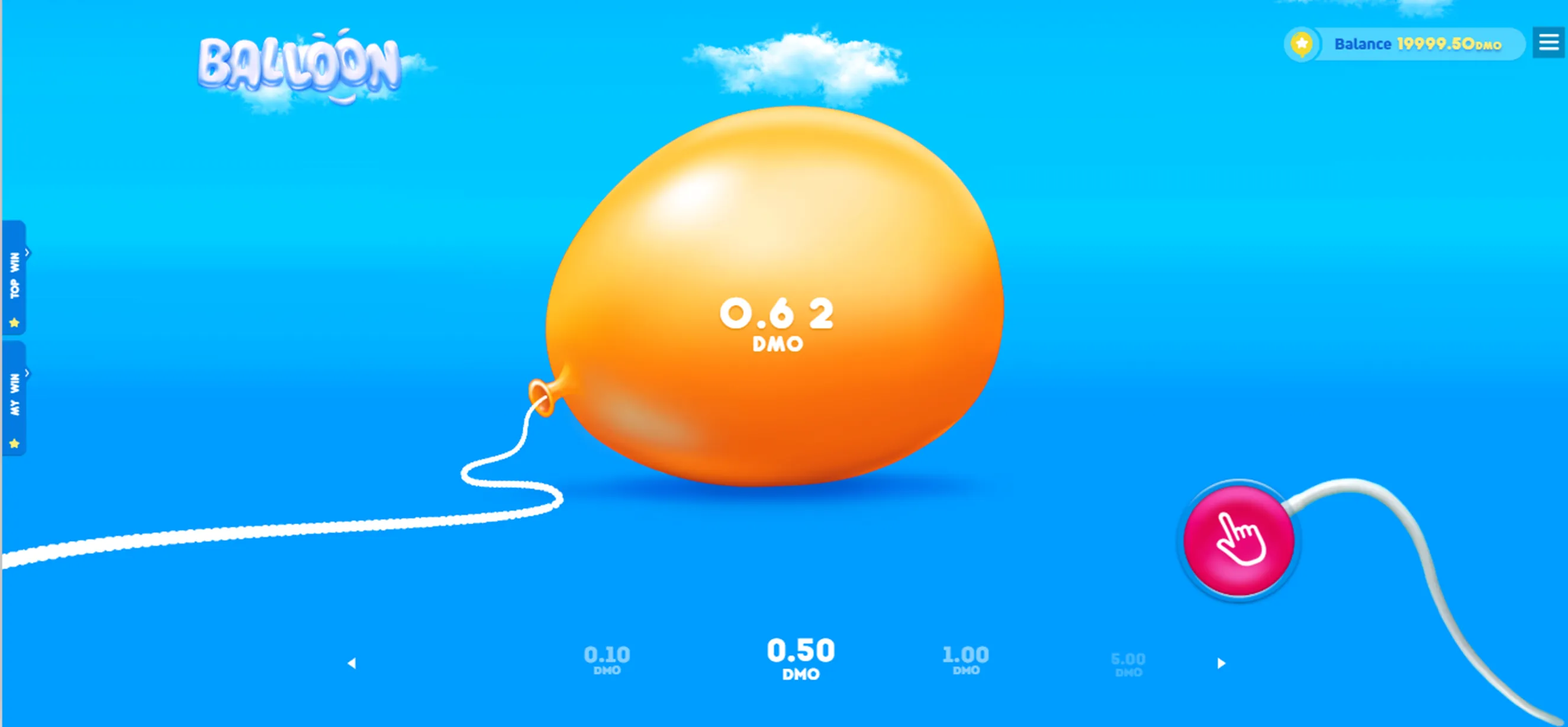
Balloon es un juego de casino que combina elementos de azar con emoción progresiva. La dinámica principal consiste en inflar un globo sin hacerlo estallar para ganar premios crecientes; sin embargo, cada intento conlleva riesgos. Este concepto sencillo y a la vez adictivo ha sido diseñado para ofrecer tanto a principiantes como a jugadores experimentados una experiencia entretenida.

Interfaz y experiencia de usuario

Review del juego Balloon de SmartSoft: Diversión asegurada para jugadores en Ecuador

El diseño de Balloon es sumamente atractivo y fácil de entender. SmartSoft ha hecho un excelente trabajo en la interfaz, que es intuitiva y colorida, contribuyendo a una experiencia agradable. Los botones son grandes y las animaciones fluidas, lo que hace que la jugabilidad sea dinámica en dispositivos móviles y ordenadores.

Detalles de la interfaz

  • Controles simples para inflar el globo o cobrar el premio acumulado.
  • Indicadores claros de la cantidad de dinero acumulada y el riesgo de estallido.
  • Opciones para ajustar el tamaño de apuesta en diferentes denominaciones, ideales para jugadores con distintos presupuestos.

Reglas básicas del juego Balloon

El objetivo es inflar el globo la mayor cantidad de veces posible sin que explote. Cada inflado aumenta la ganancia potencial, pero también el riesgo. Si el globo estalla antes de cobrar, se pierde todo lo apostado en esa ronda. Es un equilibrio entre valentía y estrategia.

Cómo jugar

  1. Selecciona el monto de la apuesta que deseas colocar.
  2. Haz clic en el botón para inflar el globo.
  3. Decide si quieres continuar inflando para ganar más o retirar tu ganancia en el momento deseado.

¿Dónde jugar Balloon en Ecuador?

Si eres jugador en Ecuador y quieres disfrutar el juego Balloon, existen varias plataformas de casino online que han incorporado este título de SmartSoft:

Casinos recomentados para jugadores de Ecuador
Casino Bonos para nuevos jugadores Métodos de pago populares Compatibilidad móvil
Casino X 100% hasta $200 + 50 giros gratis PSE, Skrill, tarjetas VISA Android y iOS
Betsson Ecuador 50% hasta $150 + giros gratis Nequi, tarjetas Mastercard, PayU Android y iOS
PlayUZU Bonos sin depósito + promociones regulares Transferencia bancaria, Neteller Android, iOS, escritorio

Demo Balloon: Prueba sin riesgos

Para los que desean probar antes de apostar con dinero real, Balloon suele ofrecerse en modo demo en la mayoría de los casinos online que lo incluyen en su catálogo. Este modo permite practicar las mecánicas del juego y entender mejor la volatilidad sin perder dinero. Es ideal para familiarizarse con las reglas y tomar confianza.

Análisis de la popularidad del juego Balloon en Ecuador

Balloon ha experimentado un crecimiento notable en popularidad entre los jugadores ecuatorianos, gracias a varios factores:

  • Jugabilidad accesible: Regla simple que atrae tanto a nuevos como a veteranos jugadores.
  • Recompensas rápidas: La posibilidad de ganar premios inmediatos mantiene el interés vivo.
  • Promociones: Los bonos relacionados con Balloon en casinos locales han fomentado su difusión.
  • Diseño visual: Cómodo y moderno, adaptado a dispositivos móviles, ideal para los usuarios de Ecuador que suelen jugar desde smartphones.

Preguntas frecuentes sobre Balloon

¿Necesito descargar un software especial para jugar?

No, Balloon se ejecuta directamente en el navegador web o a través de la app del casino, sin requerir descargas adicionales.

¿Puedo jugar desde mi móvil en Ecuador?

Sí, el juego está completamente optimizado tanto para Android como para iOS, garantizando una experiencia fluida.

¿Es seguro apostar en Balloon?

Siempre que juegues en casinos reconocidos y con licencia, tus apuestas y datos estarán protegidos. demo en balloon app

Experiencia de un jugador ganador en Balloon

Martín, habitante de Quito, nos comentó:

„Me sorprendió lo rápido que pude ganar inflando el globo con estrategia. Balloon es divertido y fácil, y la emoción de decidir cuándo parar me mantiene atento. También me gusta que puedo jugar desde mi teléfono sin problemas. Mis ganancias me motivaron a explorar más juegos de SmartSoft en distintos casinos.”

Consejos para sacar el máximo provecho a Balloon

  • No te dejes llevar por la codicia: es mejor retirar ganancias parciales que arriesgarlo todo.
  • Practica en modo demo para conocer el ritmo y la volatilidad antes de apostar dinero.
  • Aprovecha los bonos y promociones específicas de casinos para extender tu tiempo de juego sin gastar más.

Resumen de ventajas de Balloon

Ventajas del juego Balloon
Aspecto Detalle
Interfaz Gráficos atractivos y controles simples
Accesibilidad Compatible con móvil y escritorio
Modo demo Disponible para practicar sin riesgos
Recompensas Premios con posibilidad de grandes ganancias
Popularidad Preferido por jugadores ecuatorianos por su dinamismo

Conclusión

Balloon de SmartSoft es sin duda uno de los juegos más entretenidos y sencillos para los jugadores del mercado ecuatoriano. Su combinación de riesgo-control y recompensas inmediatas lo hacen muy atractivo. Recomendamos probar primero el modo demo y luego buscar casinos confiables que ofrezcan bonos atractivos para disfrutarlo al máximo. Ya sea desde Quito, Guayaquil o cualquier otra ciudad, Balloon promete horas de diversión y emoción.

Comentariile sunt închise pentru Review del juego Balloon de SmartSoft: Diversión asegurada para jugadores en Ecuador

How 5G Mobile Changes Live Streaming Casino Play: Practical Tips for Aussie Players

Fara Categorie

Wow — 5G on your phone actually feels different when you’re live at a roulette table; the latency drop is obvious.
If you’re streaming live dealer blackjack or betting on in-play lines, that milliseconds difference matters because it changes how you time bets and react to dealer actions.
This piece gives the practical takeaways I wish I’d known before switching to 5G for casino streaming, and it starts with what you notice first on a session.
First, I’ll list the immediate wins and the practical gotchas; then we’ll dig into how to set up for smooth sessions and reduce tech- and money-risk.
After that I’ll show a simple comparison, a checklist you can use tonight, and common mistakes to avoid so you don’t waste spins or cash.

Hold on—let me be blunt: faster download speeds don’t auto-fix everything you do with real money.
You still need consistent throughput, low latency, and sensible bankroll rules to make streaming sessions enjoyable rather than costly.
Anecdote: I once hopped from Wi‑Fi to 5G mid-hand and felt confident — then my phone warmed up, the video quality auto‑downgraded, and I made a rushed bet because the feed stuttered.
That hiccup taught me to treat 5G as a tool, not a guarantee, and to configure settings before a serious session.
Next, I’ll outline the technical criteria you should check before you press deposit or join a live table.

Article illustration

Key Technical Factors: Latency, Jitter, Bandwidth and Device Thermals

Short note: latency kills timing bets.
When streaming live dealer content, target an end-to-end latency under ~100 ms to feel „real-time” and avoid mistimed decisions.
Bandwidth matters too — while video can run on 5–10 Mbps, have a buffer above that (15–25 Mbps) to cover HD streams and system overhead.
Finally, device thermals are real: phones throttle CPU/GPU when hot, which can lower frame rates and increase lag.
I’ll explain how to check these metrics and what tolerances to accept before you start playing.

To measure latency and jitter quickly, use a combination of your phone’s built‑in diagnostics and a simple app test that shows ping and packet loss.
If you’re getting frequent packet loss (>1–2% over a minute), the live dealer stream will stutter.
Don’t assume 5G equals perfect — cell congestion and local towers can change performance across a single session.
Next up: how to prepare your phone and account for a 5G live-play session so you minimise interruptions and payment headaches.

Pre-Session Checklist (Do this before you top up or sit at a table)

  • Run a quick speed test and ping to your nearest server; save results so you can show support if needed — this helps when troubleshooting later and proves your connection quality.
  • Close background apps and disable automatic updates; too many background processes can spike CPU and throttle streaming, so do this before betting starts to avoid lost hands.
  • Switch your payment method settings beforehand (verify e-wallet and KYC) — money gets tied up when verification is requested mid-session, so upload ID early to speed withdrawals.
  • Set session limits in the casino account (deposit, loss, time); 5G makes it easier to play longer without noticing the time, so pre-set boundaries to protect your bankroll.
  • Prefer wired headphones over Bluetooth where possible for audio clarity during live chat; clear audio helps you read dealer cues and reduces misreads when you place bets fast.

Those pre-checks reduce the chance of mid-session drama and ensure your money and decisions remain under control, which I’ll expand on when discussing responsible play.

Comparison Table: 4G vs 5G vs Home Wi‑Fi for Live Casino Streams

Metric 4G (Typical) 5G (Good Tower) Home Wi‑Fi (Fibre)
Typical Download 10–30 Mbps 50–400+ Mbps 50–1000 Mbps
Latency 50–200 ms 10–50 ms 5–30 ms
Stability (Jitter/Packet Loss) Variable Good but location-dependent Generally best if fibre-based
Practical Use Casual play; avoid for serious timing Great for mobile play if coverage is strong Best overall for long sessions and larger bets

This table shows that 5G can outperform 4G but isn’t always superior to a solid home fibre connection; the choice depends on your location and the session type you plan to run.
Next, I’ll explore how game type and volatility should influence whether you use 5G or stay on Wi‑Fi.

Match Game Type to Connection Quality: Strategy for Pokies vs Live Dealer

Quick observation: pokies tolerate short stalls better than live dealer tables.
Slot games are tolerant of a frame skip because bets are queued and RNG spins server-side; live dealer content is sensitive to latency because your decision window is real-time.
If you’re chasing bonus playthroughs, pokies on 5G are usually fine, but for bluffing at live poker or last-second blackjack doubles, prefer lower latency connections to avoid mistimed actions.
I’ll give two short scenarios to make this concrete and actionable for your next session.

Case A — Bonus grinding: use 5G for short bursts of pokie play at cafes or in transit; the speed reduces load times and helps you cycle games faster.
Case B — High-stakes live play: use a stable home Wi‑Fi (or a strong, low-latency 5G spot) because a missed bet due to stutter can be costly in bets and psychological tilt.
Both scenarios show why you should choose connection type based on your session goals, which I’ll follow with bankroll control tactics for mobile sessions.

Bankroll & Session Controls for 5G Streaming Sessions

Hold on—don’t carb your bankroll because 5G made the stream smoother.
Set a session bankroll and a stop-loss percentage (for example, 10–20% of the session bankroll) before you start; the bonus of 5G is longer, frictionless play, which can easily erode limits if you’re not careful.
Also decide on a maximum bet size tied to your remaining session bankroll so that device confidence doesn’t push you into overbetting.
Next I’ll give a quick checklist for money rules and tips for backing up your withdrawals to avoid delays.

Money checklist: verify identity ahead of time, pick e-wallets for fastest turnaround, and note minimum withdrawal amounts.
When using crypto from mobile, double-check wallet addresses before submitting; typos happen more on touchscreen keyboards and are usually irreversible.
If a payout gets flagged, having speed-test logs and screenshots of your session helps support accelerate resolution — prepare these files beforehand to avoid a frantic scramble later.
Now, here’s a short practical pointer about apps, browser streaming, and when to prefer each option.

App vs Browser: When to Use Which on 5G

Short take: native apps often manage resources and codecs better than mobile browsers.
An app can adjust bitrate more smoothly, queue background tasks, and offer push notifications that don’t interrupt playback — but apps also require updates and can be impacted by OS-level battery saving.
Modern mobile browsers are improving fast and can be lighter when you don’t want an install, but they’re more susceptible to competing tabs and background processes.
I’ll recommend configuration settings for both modes so your live-play feels consistent regardless of the route you choose.

App configuration: allow high-priority data (if your phone supports it), disable aggressive battery saver, and enable the app’s „low-latency” or „performance” video mode where available.
Browser configuration: close other tabs, use a single browser with hardware acceleration enabled, and pin the tab if your browser supports it to avoid background suspension.
Next, we’ll look at common mistakes players make when they mix 5G with real-money play and how to avoid them.

Common Mistakes and How to Avoid Them

  • Assuming 5G guarantees zero lag — avoid by testing connection quality before betting; keep a backup network plan like saving Wi‑Fi credentials in case 5G drops.
  • Overbetting because stream feels instant — avoid with pre-set bet caps and strict session loss limits.
  • Delaying KYC until a big win — avoid by verifying documents in advance to speed payouts and avoid frozen funds.
  • Using public 5G without VPN for account-sensitive actions — avoid by using reputable VPNs on public networks to protect credentials and payment details.

These mistakes are easy to make when you’re excited by the tech, so close with a terse mini-FAQ to answer the common beginner questions next.

Mini-FAQ

Is 5G safe to use for casino play on mobile?

Yes, provided you follow standard security: keep your casino account protected with strong passwords and 2FA, verify your KYC beforehand, and avoid public networks for deposits/withdrawals — and if you must use public 5G, use a trusted VPN; next, consider how withdrawals are processed on mobile.

Will 5G reduce withdrawal times?

No. Withdrawal processing times are determined by the casino and payment providers (KYC, banking rails) rather than your connection speed.
However, 5G can speed up uploading ID docs and interacting with support, which can shorten verification delays.

Should I always use a casino app on 5G?

Not always — use an app for longer, regular sessions and a browser if you prefer lightweight quick-play without installs; test each in your local coverage area before committing to big sessions so you know which performs best for your phone and location.

One last practical point: if you want to try a new casino that’s optimised for mobile streaming, try them on small bets first and check their payment transparency and live chat responsiveness; for example, you might review platforms like on9aud.games to see how they present mobile streaming options and banking details.
I’ll close with a compact quick checklist you can screenshot for the next session.

Quick Checklist Before You Press ‘Play’

  • Speed test: download & ping under load — screenshot results.
  • KYC: completed and confirmed (save receipts).
  • Limits: deposit, loss, and time limits set in account.
  • App/Browser: chosen and configured for performance.
  • Power & thermals: phone at >20% and not overheating before session.
  • Backup plan: alternate Wi‑Fi or switch-off point if connection degrades.
  • Responsible play: self-exclusion options and help links pre-saved (18+).

That checklist covers the short practical steps that directly reduce the chance of a technical or financial snafu, and next I’ll finish with sources and a short author note so you know who’s writing these tips.

Sources

Regulatory and technical guidance was synthesized from industry standards, telco performance reports, and live casino operator documentation; readers should consult local regulators for legal specifics.
Suggested reading includes telco whitepapers on 5G latency, operator support pages on KYC/withdrawal rules, and responsible gambling resources for Australia; these sources informed the numbers and best-practice checks above.

About the Author

Author: Jamie R., Sydney-based gambling technologist and experienced live-casino player.
Jamie has worked with online platforms on mobile UX improvements and has monitored live-dealer latency effects across networks since 2019.
This article reflects hands-on sessions, troubleshooting experience, and responsible-gaming practice; for platform-specific details and live rollouts, review operator terms and support channels before you play.
If you want to explore a mobile-first platform and compare streaming quality, check their service overview at on9aud.games to see sample game lists and mobile features.

18+. Gamble responsibly. If gambling is causing harm, seek help via local Australian support services (e.g., Gamblers Help) and consider self-exclusion or deposit limits before playing.
This article provides practical tips and is not financial advice; always check the casino’s Terms & Conditions, licensing, and KYC requirements before depositing real money.

Comentariile sunt închise pentru How 5G Mobile Changes Live Streaming Casino Play: Practical Tips for Aussie Players
« Older Posts
Newer Posts »